Enhance Your Home with Quality Fence Installation
- Mykola Hryvnak
- 6 hours ago
- 5 min read

When it comes to enhancing your home, few improvements can match the impact of a well-installed fence. A quality fence not only adds to the aesthetic appeal of your property but also provides privacy, security, and even increases the value of your home. In this blog post, we will explore the various aspects of fence installation, including types of fences, materials, benefits, and tips for choosing the right fence for your home.
Understanding the Benefits of a Quality Fence
Before diving into the specifics of fence installation, it’s essential to understand the benefits that a quality fence can bring to your home. Here are some key advantages:
Privacy
A fence creates a barrier between your property and the outside world, allowing you to enjoy your outdoor space without prying eyes. This is particularly important for homes located in busy neighborhoods or near public spaces.
Security
A sturdy fence can deter intruders and keep your family and pets safe. Depending on the type of fence you choose, it can act as a physical barrier that makes it more difficult for unauthorized individuals to access your property.
Aesthetic Appeal
A well-designed fence can enhance the overall look of your home. Whether you prefer a classic wooden fence, a modern vinyl option, or an elegant wrought iron design, the right fence can complement your home’s architecture and landscaping.
Increased Property Value
Investing in a quality fence can increase your home’s resale value. Potential buyers often view a well-maintained fence as a desirable feature, making your property more attractive in the competitive real estate market.
Noise Reduction
Fences can also help reduce noise from nearby roads or neighbors, creating a more peaceful environment for you and your family.
Types of Fences
When considering fence installation, it’s important to understand the different types of fences available. Each type has its unique characteristics, advantages, and disadvantages.
Wooden Fences
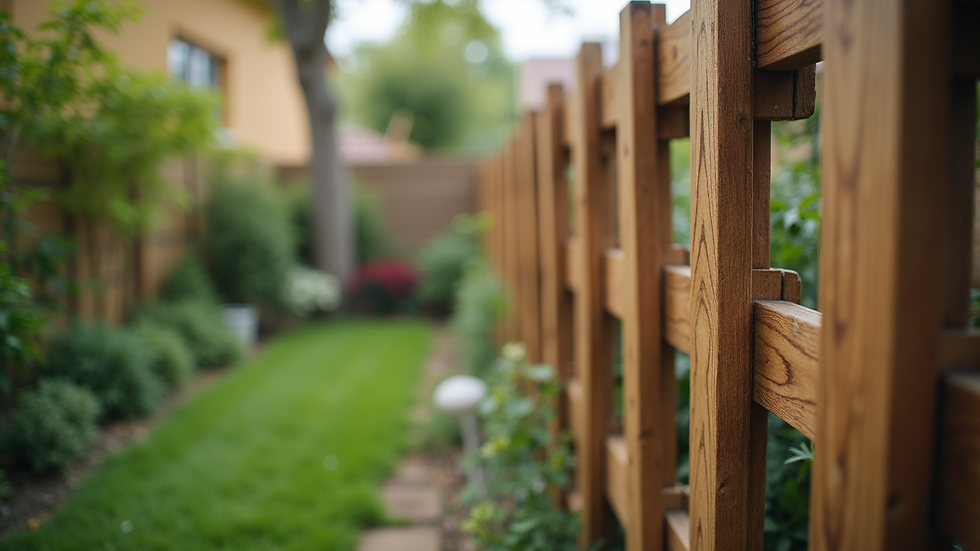
Wooden fences are a popular choice for many homeowners due to their natural appearance and versatility. They can be painted or stained to match your home’s exterior and come in various styles, including picket, privacy, and split-rail.
Pros:
Aesthetic appeal
Customizable
Environmentally friendly options available
Cons:
Requires regular maintenance (painting, staining)
Prone to rot and insect damage
Vinyl Fences
Vinyl fences are a low-maintenance alternative to wooden fences. They are available in various styles and colors, providing a clean and modern look.
Pros:
Durable and weather-resistant
Minimal maintenance required
Available in various styles
Cons:
Higher initial cost compared to wood
Limited customization options
Chain Link Fences
Chain link fences are a practical and cost-effective option for homeowners looking for security without sacrificing visibility. They are often used in commercial properties but can also be suitable for residential use.
Pros:
Affordable
Durable and long-lasting
Low maintenance
Cons:
Limited privacy
Less aesthetic appeal compared to other options
Wrought Iron Fences
Wrought iron fences are known for their strength and elegance. They provide a high level of security while adding a classic touch to your property.
Pros:
Durable and long-lasting
High security
Elegant appearance
Cons:
Higher cost
Requires maintenance to prevent rust
Choosing the Right Material
Selecting the right material for your fence is crucial to ensure it meets your needs and preferences. Here are some factors to consider when choosing a material:
Climate
Consider the climate in your area. For example, wooden fences may not be the best choice in regions with high humidity, as they are prone to rot. In contrast, vinyl and metal options may withstand harsh weather conditions better.
Purpose
Determine the primary purpose of your fence. If security is your main concern, a tall chain link or wrought iron fence may be ideal. If you’re looking for privacy, a solid wooden or vinyl fence would be more suitable.
Budget
Your budget will play a significant role in your material choice. Wooden fences tend to be more affordable upfront, but they require ongoing maintenance. Vinyl and wrought iron fences may have higher initial costs but can save you money in the long run due to their durability.
Planning Your Fence Installation
Once you’ve decided on the type and material of your fence, it’s time to plan the installation. Here are some steps to guide you through the process:
Check Local Regulations
Before installing a fence, check with your local government or homeowners association for any regulations or restrictions. Some areas have specific height limits or require permits for fence installation.
Measure Your Property
Accurate measurements are essential for a successful fence installation. Use stakes and string to outline the perimeter of your fence, ensuring it aligns with your property lines.
Choose the Right Height
The height of your fence will depend on its purpose. For privacy, a taller fence is ideal, while a shorter fence may suffice for decorative purposes. Keep in mind that local regulations may dictate maximum heights.
Plan for Gates
If you need access points, plan for gates in your fence design. Consider the size and location of the gates to ensure they are functional and convenient.
DIY vs. Professional Installation
Deciding whether to install your fence yourself or hire a professional can significantly impact the outcome of your project. Here are some factors to consider:
DIY Installation
Installing a fence yourself can save you money, but it requires time, effort, and some level of skill. If you choose this route, make sure to:
Research installation techniques for your chosen fence type.
Gather the necessary tools and materials.
Allow ample time for the project, as it may take longer than expected.
Professional Installation
Hiring a professional fence installer can ensure a high-quality result. Professionals have the experience and tools needed to complete the job efficiently. Consider the following benefits:
Expertise in local regulations and requirements
Access to high-quality materials
Warranty on workmanship
Maintenance Tips for Your Fence
Once your fence is installed, regular maintenance is essential to keep it looking great and functioning well. Here are some maintenance tips based on the type of fence you choose:
Wooden Fences
Inspect for Damage: Regularly check for signs of rot or insect damage.
Clean and Stain: Clean your fence annually and apply a protective stain every few years to maintain its appearance.
Vinyl Fences
Wash Regularly: Use soap and water to clean your vinyl fence as needed.
Inspect for Cracks: Check for any cracks or damage and address them promptly.
Chain Link Fences
Remove Rust: Inspect for rust and treat it with a rust-inhibiting spray.
Tighten Loose Links: Ensure that all links are secure and replace any damaged sections.
Wrought Iron Fences
Check for Rust: Regularly inspect for rust and treat it with a rust-inhibiting paint.
Tighten Fasteners: Ensure all bolts and screws are tight to maintain stability.
Conclusion
A quality fence installation can significantly enhance your home’s value, security, and aesthetic appeal. By understanding the different types of fences, materials, and installation processes, you can make informed decisions that suit your needs. Whether you choose to tackle the project yourself or hire a professional, investing in a quality fence is a step toward creating a more beautiful and secure home.
Take the time to plan your fence installation carefully, and enjoy the benefits of your new outdoor space for years to come!

Comments